
Lip syncing AI is becoming one of the favourite generative AI tool for advertising and marketing companies to grow their business at the national and international level.
Thank you for reading this post, don't forget to subscribe!The advertising and marketing industries are exploring possibilities of using automated lip syncing technology to their advantage.
Big tech companies have jumped on the bandwagon, with Google, Microsoft, Amazon and many others are using lip syncing AI to make multi-lingual cost effective advertisements. The lip syncing AI tool produces human like and authentic advertisement.
Table of Contents
ToggleIntroduction
Generative AI tools have brought a revolution in the digital landscape. Generative AI is a subset of artificial intelligence that focuses on generating new content, such as images, videos, text, or music. Machine learning algorithms are used to learn patterns and generate new data that resembles the training data it was exposed to. Generative AI models can create realistic and high-quality content that imitates human-created examples. Lipsycing AI is part of generative AI technique.

E commerce giant Amazon has recently used generative AI to create native, authentic visual dubbing for Amazon Daily and Amazon Fresh advertising creatives that recently went live on TV and digital platforms.
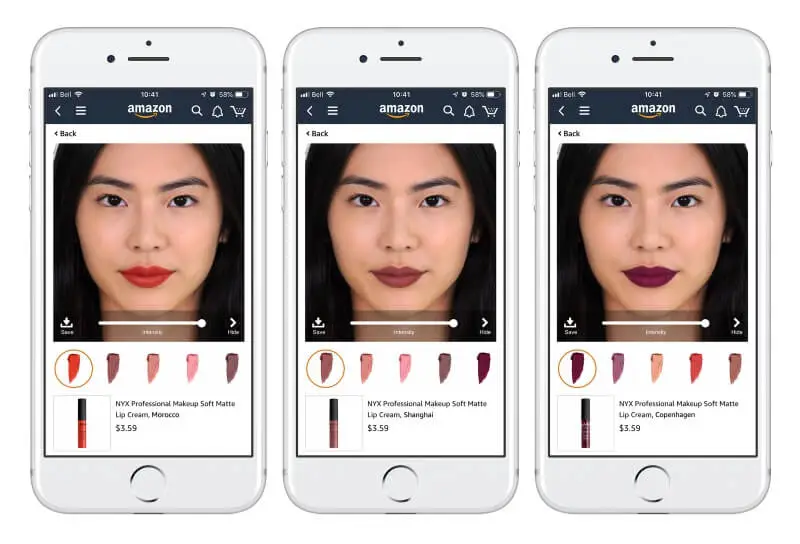
According to Exchange4media.com, Bengaluru based startup has leveraged generative AI technology that helped with multilingual lipsync in content and media which produced tech savvy advertisement . Until now, advertising creatives and other marketing content in India have produced and shot in one language( preferably in Hindi) and then dubbed into several different languages. The advertisements always looked inauthentic to regional viewers. Now companies are helping repurpose the creatives by making them look native and local for regional consumers by using automated lipsyncing.
What is automated lipsyncing?
Lipsync through AI technology means the process of synchronizing lip movements with audio or speech using artificial intelligence techniques. It involves automatically generating or manipulating the lip movements of a character or person in a video to match the spoken words or sounds accurately.
lipsyncing has always been a time-consuming and challenging. Lipsyncing which involves a lot of labour work, is often used in animation, film production, and other media industries. Lot of effort went into matching the lip movements to the audio, frame by frame. However, with advancements in AI technology, automated lipsyncing has become possible.
Also Read: ChatGPT verses Google: Whose future lies with AI?
How does lip syching AI works?
AI-powered lipsyncing algorithms leverage machine learning and deep learning techniques are used to understand the audio or speech input. These algorithms can then generate corresponding lip movements that closely align with the sounds being produced. The generated lip movements can be applied to animated characters, virtual avatars, or even real people in videos, resulting in more natural and convincing lip synchronization.
4 benefits of lip syncing AI
1: Time and cost-saving: It reduces the time and effort required to manually sync lip movements. This can lead to faster production cycles and cost savings for animation studios and filmmakers.
2: Enhanced realism: AI algorithms can analyze subtle details in the audio and generate realistic lip movements that closely match the speech. This improves the overall realism and quality of animated characters or virtual avatars.
3: Accessibility and inclusivity: It makes it easier to dub or translate content into different languages. It can also help individuals with speech impairments to generate accurate lip movements when using assistive technologies.
4:Versatility: AI lipsyncing algorithms can adapt to different styles and genres, making them applicable across various media forms such as movies, TV shows, video games, virtual reality, and more.
Also See:Tap the Incredible Power of AI For Your Sales & Marketing!
Lip syncing AI and its misuse
AI experts do not rule out the possibility of misuse of Lipsync It is true that the advancement of AI lipsync technology has raised concerns about potential misuse and the creation of fake speeches or misinformation, it’s important to recognize that responsible use of the technology is crucial to mitigate these risks.
However, the responsibility lies with the creators and users of AI lipsync technology to ensure that it is used ethically and transparently. In contexts where lipsyncing can be easily manipulated, it becomes essential to establish clear guidelines, regulations, and standards to prevent the creation and dissemination of false information or deceptive content.
Steps to prevent misuse
1: Transparency: It is important to clearly disclose when AI lipsync technology has been used in a video or any other media form. This transparency helps viewers or users understand that the lip movements may not be directly tied to the original speaker’s actual words.
2:Contextual cues: Beyond lip movements, other contextual cues, such as body language, facial expressions, and overall consistency, can help in evaluating the authenticity of the content. These cues can help discern whether the speech has been altered or manipulated.
3:Verification mechanisms: Developing tools and techniques that can detect and verify the authenticity of lipsynced content can play a vital role in identifying potential misuse. These mechanisms can help ensure that lipsync technology is used responsibly and that viewers are aware when it has been applied.
4: Education and awareness: Promoting media literacy and educating the public about the existence of lipsync technology can help people become more critical consumers of information. Understanding the capabilities and limitations of AI lipsyncing can empower individuals to better evaluate the content they encounter.
How marketers use lipsynch technology to boost their business?
Using generative AI technology, E commerce giant Amazon has come up with create native, authentic visual dubbing for their Amazon Daily and Amazon Fresh advertising creatives that recently went live on TV and digital platforms.
According to Exchange4media, Bengaluru based has leveraged generative AI technology, that helped with multilingual lipsync in content and media. Advertising creatives and other marketing content in India have produced and shot in one language (usually Hindi) and then dubbed into several different languages, making them look inauthentic to regional viewers. But this company helps repurpose those creatives by making them look native and local for regional consumers through its proprietary technology, VisualDubTM,
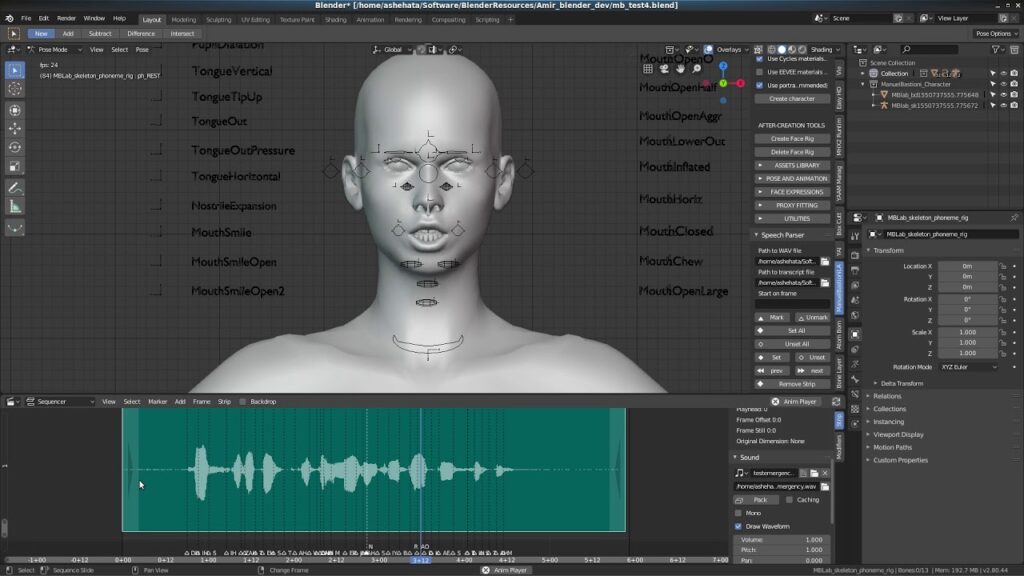
The NeuralGarage team has collaborated with Amazon India for their Amazon Daily (Agency: Ogilvy) and Amazon Fresh (Agency: Media.Monks) ad campaigns that went live across TV and digital platforms. Its collaboration with the e-commerce giant represents a global first-use case of integrating generative AI technology in multilingual lipsync. VisualDubTM, being language agnostic, makes dubbed content look natural and syncs the lips and jaw movements of the actors within the video to make it more visually authentic. It helped Amazon India with visually dubbing its ad creatives into seven different regional languages, reported Exchange4media.
Generative AI vs general AI
Generative AI and general AI are two different aspects of artificial intelligence. While Generative AI’s focus is on creating new content or ideas with the help of existing data. It has specific applications and is a subset of AI that excels at solving particular tasks.
General AI is about AI systems possessing human-like intelligence. General AI is still the stuff of science fiction; it represents an imagined future stage of AI development in which computers are able to think, reason and act autonomously.
Challenges of generative AI
It is beyond doubt that generative AI has a significant role to play in the future of various industries. Content creation, software development and healthcare are some of the fields where generative AI has proven itself and created a space for itself.
The potential risk are : lack of ethics, lop sided views, transparency and accountability besides upholding data governance. Lastly how to strike a balance between automation and human involvement which are crucial for maximizing the benefits of generative AI while mitigating any potential negative consequences on the workforce.
Conclusion
Companies are willing to pushing the boundaries in advertising and marketing further so that they can advantage of generative AI and automated tools in future.
